

Trees are majestic beings that stand tall, their roots piercing deep into the earth while their branches stretching towards the sky. Through their seasons, they teach us about growth, adaptation, and to find beauty in every phase of life. They sway with the wind, whisper with the rain, bloom with hope, and shed with grace. This article explores the seasonality of trees like peepal, neem, banyan, mango, etc, which make up the abundant deciduous forests in India.
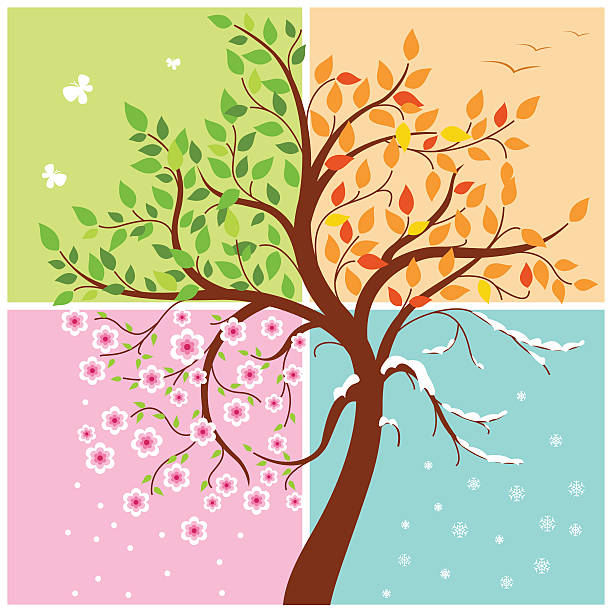
The Summer Season
In summer, the trees display quite resilience. As temperatures soar, many shed older leaves to reduce water loss, conserving moisture by slowing transpiration. New, tender leaves emerge, often tinged red or copper, shielding chlorophyll from harsh sunlight. Mango trees bloom with fragrant flowers, promising fruits in the days ahead. The canopy thins slightly, allowing filtered light to reach the forest floor. Amidst the scorching heat, these trees adapt gracefully, preparing for the monsoon’s rejuvenating touch.
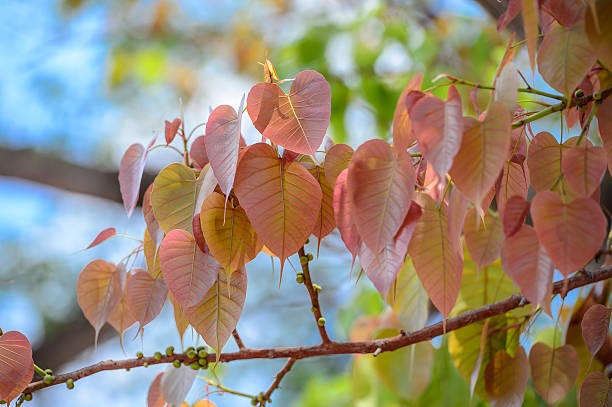
The Monsoon Season
With the first touch of monsoon rain, trees awaken like dancers in a long-awaited performance. They stretch their branches skyward, leaves gleaming in fresh green. Roots drink deeply, activating a surge of growth as sap flows freely. New shoots unfurl, and canopies thicken, offering refuge to birds and insects. Rain-laced winds carry the scent of wet bark and earth–a symphony of renewal. In this season, trees breathe fully, rejoicing in nature’s lush embrace.
The Autumn Season
In autumn, the trees quietly prepare for rest. Their green leaves fade into shades of yellow and brown, gently falling to the ground like nature’s soft goodbye. With shorter days and cooler air, the trees slow down, saving their energy for the seasons ahead. It’s a peaceful pause–a time to let go, not with sorrow, but with grace. Autumn reminds us that change can be gentle, and rest is part of growth.
The Winter Season
In winter, the trees enter a deep stillness, a trance of dormancy. With their leaves gone, they stand bare, conserving energy as photosynthesis slows and sap retreats deep into their core. Nutrient flow is minimal, and water uptake drops as the soil cools. Yet beneath this stillness, their roots quietly work, holding on to life. Winter isn’t their end, but a graceful pause–a season of hidden strength, where renewal patiently gathers in silence.
The Deeper Meaning of Trees
Beyond their seasonal rhythms, these trees have long been vessels of symbolism and philosophy. Peepal trees are known to thrive in diverse conditions, symbolizing resilience and adaptability in the face of challenges. The Neem, known for its medicinal properties, teaches us the value of healing and purification. The Banyan, with its vast canopy and aerial roots, speaks of interconnectedness and community. It reminds us to nurture our relationships and to keep our roots tangled, no matter how far we are from our loved ones. The Mango trees produce an abundance of fruit, teaching us about the importance of sharing our resources and blessings with others.
Every tree holds its own essence, its own wisdom. They do not rush, yet all is accomplished. Their stillness holds time, their shade holds stories–reminding us that in nature’s quiet strength lies the deepest wisdom. All we need is the perspective to listen and the will to extend a hand to our fading giants, helping them thrive once more.
About the author: Shakti Swarup Dash is an emerging writer whose published work focuses on nature, biodiversity, and environmental conservation awareness.